Source no-spill coolant funnel kit for Radiators, Heater Cores, and Engines
Find 30 no-spill coolant funnel kit options from verified Chinese manufacturers. Buyers can compare specifications like model numbers, materials, and certifications to select the right tool for automotive cooling system maintenance.
Key considerations
Products List
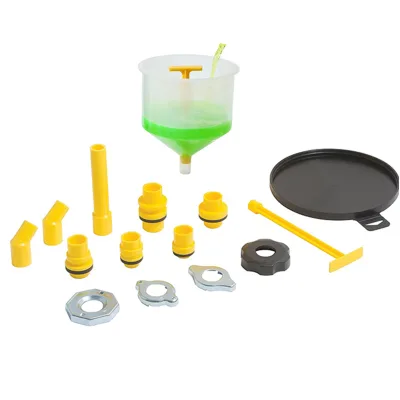
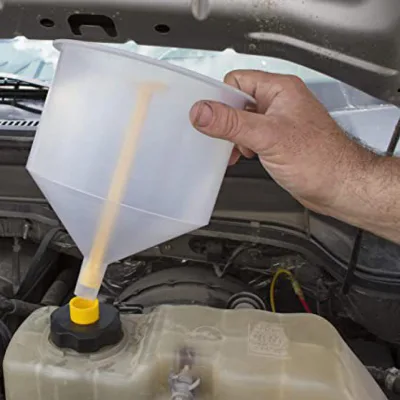
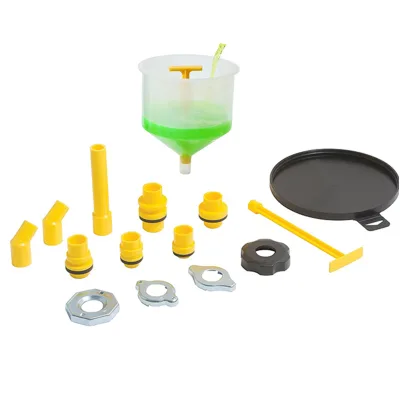
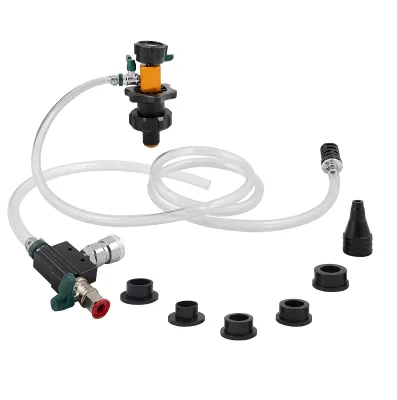
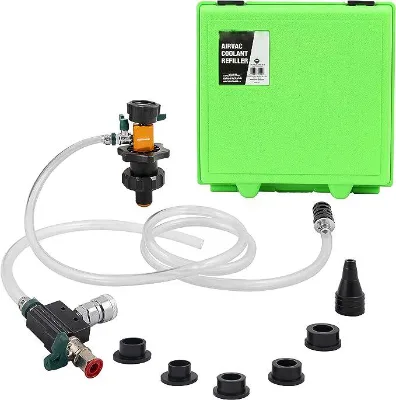
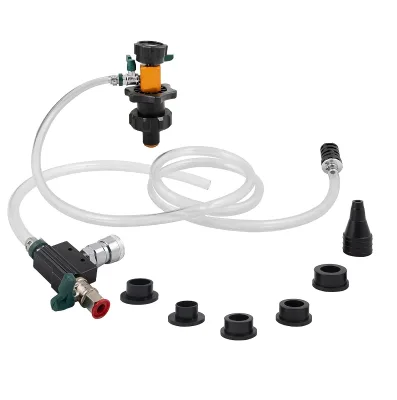
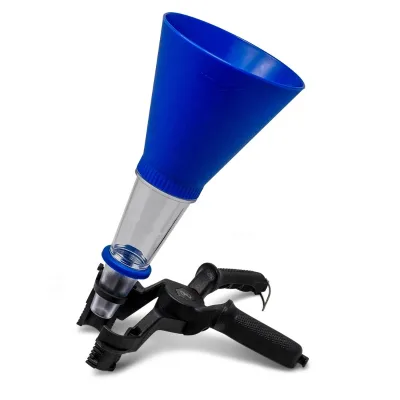
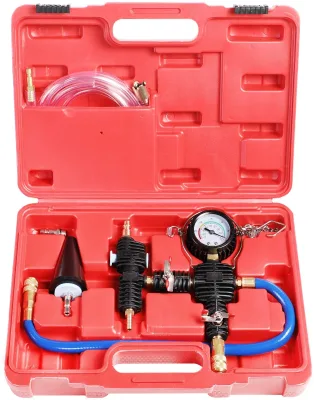
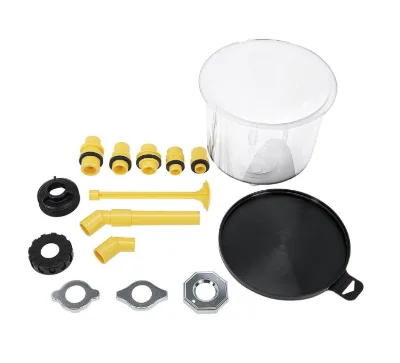
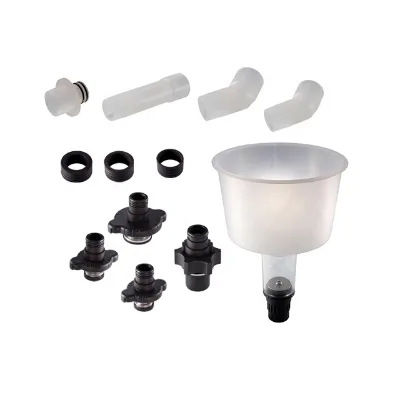
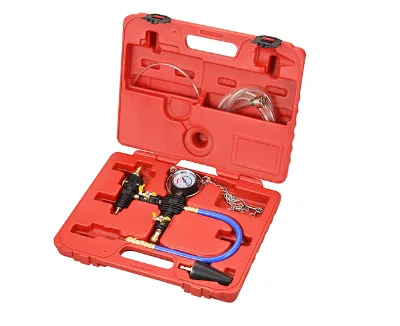
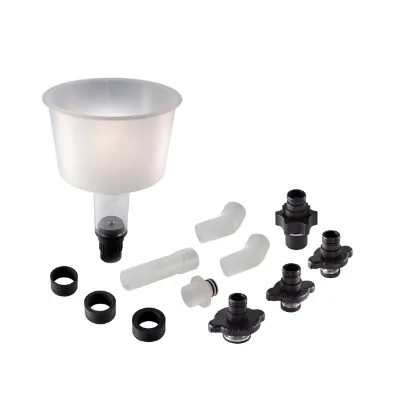
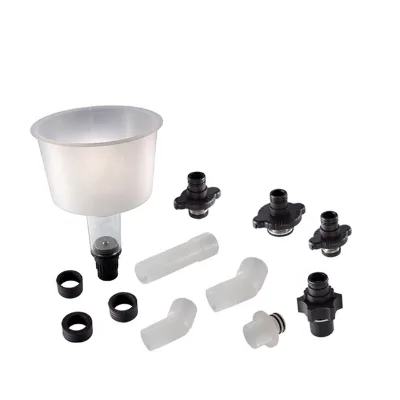
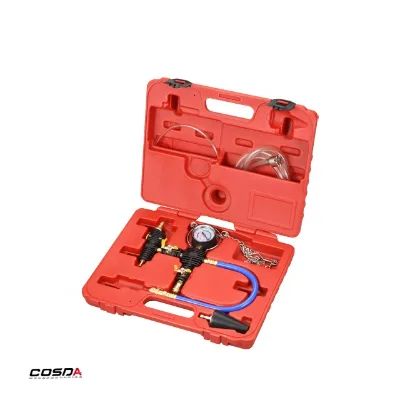
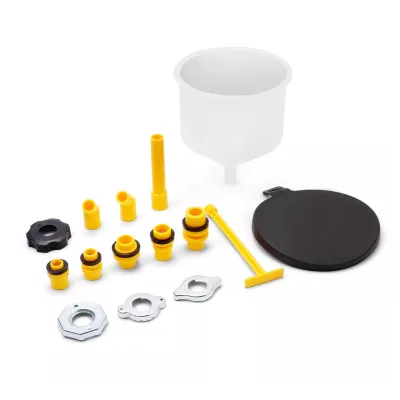
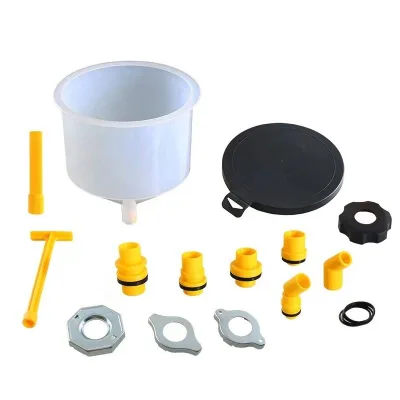
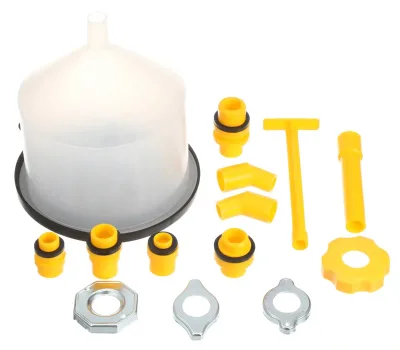


Fuel Oil Water Coolant Car Van Motorbike Mechanics Tools 4PC Plastic Funnel Set
$1.00 - $10.00
MOQ: 1000 Pieces

Angled Funnel with Filter for Car Van Oil Coolant Fuel Restricted Access Tool
$1.00 - $10.00
MOQ: 1000 Pieces
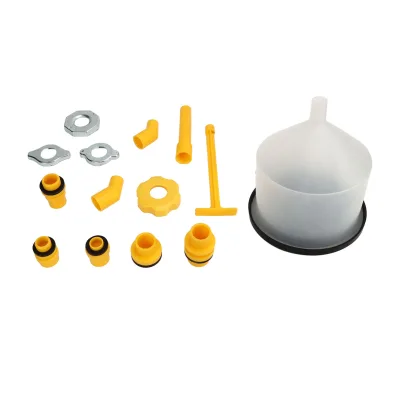
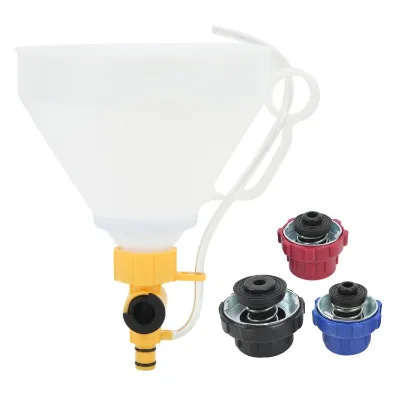


Comprehensive Sourcing Guide
Strategic Sourcing Guide for No-Spill Coolant Funnel Kits
The global automotive maintenance sector continues to demand precision tools that minimize fluid waste and enhance operational safety. Among these, the no-spill coolant funnel kit has emerged as a critical component for both professional repair shops and do-it-yourself enthusiasts. Sourcing these kits requires a disciplined approach that balances technical functionality with supply chain reliability. This guide provides a comprehensive framework for buyers to evaluate potential suppliers, verify product specifications, and ensure long-term value without relying on unverified marketing claims.
Technical Specifications and Functional Design
When evaluating a no-spill coolant funnel kit, the primary focus must be on the mechanical design that prevents fluid loss during refilling. The core functionality relies on a sealed system that allows air to escape while retaining coolant. Buyers should scrutinize the product attributes regarding material composition and structural integrity. The supplied data indicates that high-quality units are frequently constructed from durable plastic materials, which offer resistance to chemical corrosion from ethylene glycol and propylene glycol-based coolants.
The physical dimensions of the packaging and the unit itself are significant logistical factors. Observed product listings reveal varying single package sizes, ranging from compact units measuring approximately 21x19x19 cm to larger industrial kits spanning 45x35x24 cm. These variations often correlate with the inclusion of multiple adapters or the presence of a larger reservoir. The gross weight of these packages also varies considerably, with observed data showing weights from 0.500 kg to 5.0 kg. This variance suggests that some kits include additional accessories such as hoses, specialized nozzles, or heavy-duty bases, while others are minimalist designs.
A critical technical attribute is the compatibility of the adapters. The most effective kits are designed with multiple adapter options to fit a wide range of vehicle radiator necks. Specific product observations highlight models intended for specific applications, such as the "Coolant System Refiller Kit" which claims to refill the entire cooling system, including the heater core. This implies a design that facilitates pressure equalization and complete fluid displacement. Buyers must verify that the model numbers, such as GK3703105 or JT0238, correspond to the specific vehicle makes and models they service. The "Spill Proof" function is a standard attribute, but the engineering behind it—whether it involves a one-way valve, a float mechanism, or a specific nozzle geometry—must be confirmed through technical documentation rather than generic marketing terms.
Compliance, Certification, and Regulatory Standards
In the B2B procurement of automotive tools, regulatory compliance is non-negotiable. While the product itself is a mechanical tool, the materials used in its construction must meet safety and environmental standards. The supplied context explicitly mentions certifications such as CE and RoHS. These are critical indicators for buyers targeting European and global markets. CE marking signifies conformity with health, safety, and environmental protection standards for products sold within the European Economic Area. RoHS (Restriction of Hazardous Substances) ensures that the plastic components do not contain excessive levels of lead, mercury, cadmium, or other hazardous materials.
However, buyers must exercise caution. The presence of a certification claim in a product listing does not automatically guarantee that every unit in a bulk order is compliant. It is essential to request valid test reports or certificates of conformity from the supplier before finalizing a purchase. The data indicates that some products are labeled with "High quality" or "Diy, Industrial" grades, but these are subjective descriptors rather than regulatory standards. Procurement teams should verify if the plastic grade meets specific automotive industry standards for chemical resistance and thermal stability.
Furthermore, the origin of the product plays a role in regulatory compliance. The observed data points to manufacturing locations in Guangdong and Shanghai, China. While these are major manufacturing hubs, buyers should ensure that the specific factory holds the necessary ISO certifications and that the production process adheres to the declared standards. For products intended for heavy industrial use, additional verification regarding material safety data sheets (MSDS) may be required to ensure the plastic does not degrade under high temperatures or harsh chemical exposure.
Cost Drivers and Pricing Dynamics
Understanding the cost structure of no-spill coolant funnel kits is vital for budgeting and margin analysis. The observed price range in the market spans from 0.6 USD to 100 USD, a wide disparity that reflects differences in complexity, material quality, and included accessories. The lower end of the spectrum typically represents basic plastic funnels with minimal adapters, often sold in blister packs. The higher end likely includes comprehensive kits with multiple adapters, durable packaging, and specialized features like integrated reservoirs or pressure gauges.
The Minimum Order Quantity (MOQ) is another significant cost driver. The data shows an MOQ range from 1 unit to 1000 units. Suppliers with an MOQ of 500 or 1000 pieces often offer lower per-unit costs but require significant capital commitment. Conversely, suppliers accepting orders as low as 1 unit are suitable for sampling or small-scale distribution but will charge a premium per item. Buyers must calculate the total landed cost, including shipping, duties, and handling fees, which can vary based on the package weight and dimensions. For instance, a kit weighing 5.0 kg with dimensions of 45x35x24 cm will incur higher freight costs than a 0.5 kg unit in a 21x19x19 cm box.
Customization is a key factor influencing price. The ability to accept OEM (Original Equipment Manufacturer) and ODM (Original Design Manufacturer) requests allows buyers to brand the product with their own logo. However, this service often comes with a higher MOQ and potentially higher unit costs due to the setup fees for mold creation or printing. The data confirms that "Accept Customized Logo" and "OEM, ODM, OBM" support are available, but the specific cost implications should be negotiated directly with the supplier based on the volume and complexity of the customization.
Typical Applications and Vehicle Compatibility
The utility of a no-spill coolant funnel kit is defined by its application scope. These tools are primarily used in automotive repair, fleet maintenance, and industrial machinery servicing. The specific application mentioned in the data includes "Protect Cooling System" and "Refills the entire cooling system including the Heater Core." This indicates that the tool is designed for complete system flushes and refills, a process that requires precision to avoid air pockets that can lead to engine overheating.
Vehicle compatibility is a major consideration for buyers. The data references specific car fitments, such as "AACHEN SCHNAZER AC SCHNITZER," which suggests that some kits are tailored for specific European performance vehicles. However, the most versatile kits are those with "Multiple Adapters" that fit a broad spectrum of manufacturers. Buyers should verify the list of compatible makes and models against their customer base. A kit that only fits a narrow range of vehicles may limit market appeal, whereas a universal kit with a wide range of adapters offers greater value.
The "Usage" attribute listed as "Car Tools" confirms the primary market segment. However, the "Industrial" grade mentioned in the material section suggests potential use in larger machinery or fleet environments where durability is paramount. Buyers should assess whether the kit's design can withstand the rigors of a busy workshop environment. Features like a sturdy handle, non-slip base, and chemical-resistant plastic are essential for professional applications.
Supplier Evaluation and Sourcing Strategy
Selecting the right supplier is as important as selecting the right product. The data indicates that suppliers are located in major Chinese manufacturing hubs like Guangdong and Shanghai. When evaluating these suppliers, buyers should look beyond the basic product listing. Key evaluation criteria include the supplier's ability to provide OEM/ODM services, their warranty terms, and their sample availability.
The data shows that some suppliers offer a warranty of up to 3 years, while others provide 12 months. This variance in warranty coverage is a strong indicator of the supplier's confidence in their product quality. A longer warranty period often correlates with better quality control processes and more durable materials. Additionally, the availability of samples is a crucial step in the sourcing process. The data confirms that samples are available, allowing buyers to physically inspect the product for build quality, adapter fitment, and spill-proof functionality before committing to a bulk order.
Buyers should also verify the supplier's customization capabilities. The ability to accept customized logos and specific packaging requirements is essential for building a private label brand. The data confirms that "OEM, ODM, OBM" support is available, but buyers must confirm the lead times and minimums associated with these services. It is also important to check the supplier's responsiveness and their ability to provide technical documentation, such as user manuals and safety data sheets.
Quality Control and Long-Term Procurement Considerations
Ensuring consistent quality is a continuous process that extends beyond the initial order. The observed data includes attributes like "High quality" and "Quality: High quality," but these are self-reported claims. To mitigate risk, buyers should implement a rigorous quality control protocol. This includes requesting third-party inspection reports, conducting random sampling upon receipt of goods, and testing the spill-proof functionality under simulated conditions.
The packaging is another critical aspect of quality control. The data mentions "Carton Package" and "Blister" packaging. For bulk shipping, carton packaging is generally preferred for its durability and stackability. Buyers should ensure that the packaging protects the product from damage during transit, especially given the varying weights and dimensions observed. The single gross weight of 5.0 kg for some units suggests that heavy-duty packaging is necessary to prevent crushing or deformation.
Long-term procurement considerations involve building a sustainable relationship with the supplier. Factors such as the supplier's capacity to scale production, their ability to maintain consistent quality over time, and their flexibility in handling order changes are vital. The data indicates that some suppliers have an MOQ of 1000 pieces, which may be suitable for established buyers but could be a barrier for new entrants. Buyers should negotiate terms that allow for gradual scaling of orders.
Furthermore, the warranty period is a key indicator of long-term value. A 3-year warranty, as seen in some listings, offers significant protection against defects. Buyers should clarify the terms of the warranty, including what constitutes a defect and the process for claiming replacements. This ensures that the procurement strategy is not only focused on initial cost but also on total cost of ownership and risk management.
Comparative Analysis of Product Attributes
To facilitate decision-making, the following table summarizes the key attributes observed in the market for no-spill coolant funnel kits. This comparison highlights the diversity in specifications and helps buyers identify the features that align with their specific needs.
| Attribute | Observation Range / Specifics | Procurement Implication |
|---|---|---|
| Material | Plastic (Various grades) | Verify chemical resistance and durability for industrial use. |
| Package Size | 21x19x19 cm to 45x35x24 cm | Affects shipping costs and storage requirements. |
| Weight | 0.500 kg to 5.0 kg | Heavier units may include more accessories; impacts freight. |
| MOQ | 1 to 1000 pcs | Determines capital commitment and pricing tiers. |
| Certification | CE, RoHS (where applicable) | Essential for EU and global market compliance. |
| Warranty | 12 Months to 3 Years | Indicates supplier confidence and product longevity. |
| Customization | OEM, ODM, OBM, Logo | Enables branding but may increase MOQ and cost. |
| Function | Spill Proof, Refill System | Core functionality; verify adapter compatibility. |
| Origin | Guangdong, Shanghai, China | Major manufacturing hubs; verify factory audits. |
By systematically analyzing these attributes, buyers can make informed decisions that balance cost, quality, and functionality. The no-spill coolant funnel kit market offers a wide range of options, but success in sourcing depends on rigorous verification of specifications and a clear understanding of the supplier's capabilities.
FAQs
What certifications do no-spill coolant funnel kits typically have?
Many units carry CE and RoHS certifications to ensure safety and environmental compliance. These marks indicate the plastic materials meet European standards for hazardous substance restrictions and product safety.
Which materials are used to construct these spill-proof kits?
High-quality plastic is the standard material for these automotive tools due to its chemical resistance. This grade ensures durability against ethylene glycol coolants in both DIY and industrial applications.
Can suppliers offer customized logos and OEM services?
Yes, many manufacturers accept customized logos and provide OEM, ODM, and OBM support. Buyers can often brand the product, though this may require meeting specific minimum order quantities.
What is the typical minimum order quantity for bulk purchases?
Minimum order quantities range from 1 unit for samples to 1000 pieces for large industrial orders. Specific suppliers may set thresholds like 500 or 1000 pieces depending on customization needs.
How long is the warranty period for these cooling system tools?
Warranty terms vary by supplier, with some offering 12 months and others up to 3 years. A longer warranty often indicates higher confidence in the product's structural integrity and material quality.
Where are these automotive maintenance tools primarily manufactured?
Production is concentrated in major Chinese hubs like Guangdong and Shanghai. These locations serve as key sourcing centers for global buyers seeking cost-effective automotive maintenance equipment.
What is the price range for no-spill coolant funnel kits?
Market prices span from 0.6 USD to 100 USD depending on complexity and accessories. Basic units cost less, while comprehensive kits with multiple adapters and durable packaging command higher prices.